
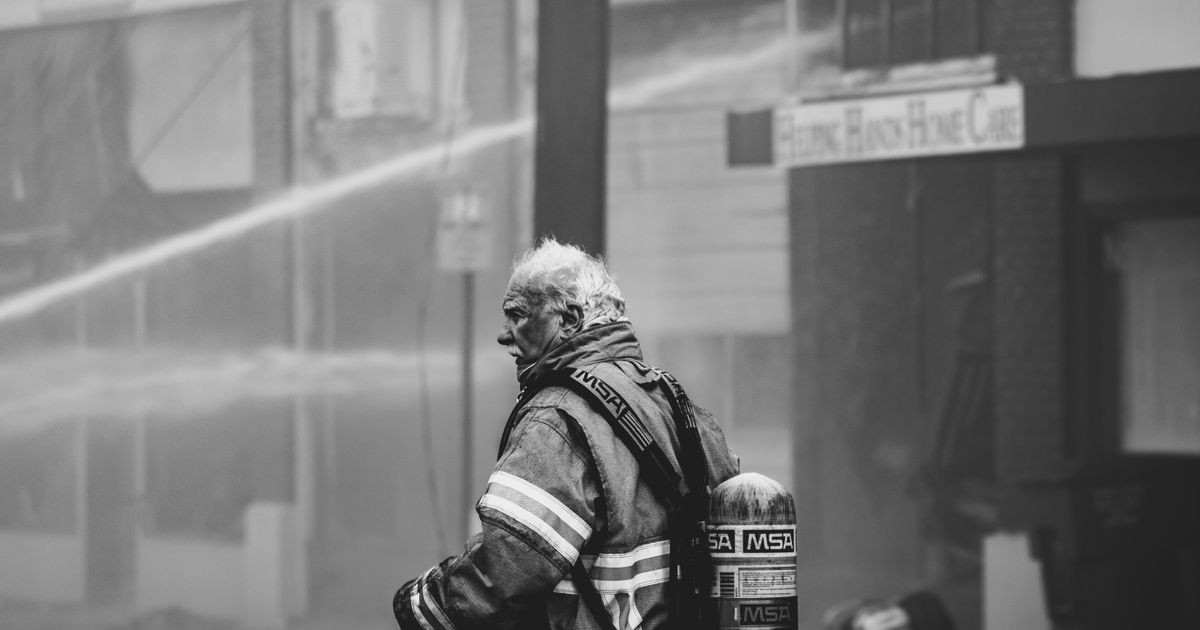
A fire watch is a trained guard who patrols your property, watches for signs of fire, and keeps a written log when your building's fire-protection systems are down or a fire hazard is present. Fire watch security is a temporary safety measure that fills the gap when sprinklers, alarms, or other systems cannot do their job, so people and property stay protected until normal protection is restored. If you have ever been told to "post a fire watch," this article explains exactly what that means.
What does a fire watch guard do?
A fire watch guard has one job: stay alert for fire and act fast if it starts. That sounds simple, but doing it correctly means the guard has no other duties and stays focused the entire shift. On a typical fire watch, the guard will:
- Walk fixed patrol routes across the property on a set interval
- Look, smell, and listen for smoke, heat, sparks, and unusual conditions
- Keep a time-stamped log of every round and anything they observe
- Know where exits, fire extinguishers, and alarm pull stations are
- Call 911 immediately and alert occupants if a fire is found
- Use an extinguisher on a small, contained fire when it is safe to do so
The guard is not there to fight a major fire. They are there to catch a problem early, sound the alarm, get people out, and buy time for the fire department. That early warning is the entire point of fire watch security.
When do you need a fire watch?
Fire watch is usually triggered by a temporary loss of fire protection or a temporary fire hazard. The most common reasons include:
- Sprinkler system down. Repairs, upgrades, or a failure take your sprinklers offline.
- Fire alarm out of service. A panel fault, power issue, or system work disables detection.
- Hot work. Welding, cutting, grinding, or torch work creates sparks near combustibles.
- Fire marshal order. An inspector requires a watch for crowding, a damaged fire pump, or another hazard.
- Construction and renovation. Building work can disable systems or introduce ignition sources.
In each case, a guard bridges the gap until the system is back online or the hazard is cleared. To see how the service is delivered, visit our fire watch security page.
What are the rules behind fire watch?
Fire watch is not just good practice; it is often required by code. In the United States, requirements are built on standards from the National Fire Protection Association (NFPA), which fire codes reference for things like impaired fire-protection systems and hot work. States and cities adopt and amend those standards, and the local Authority Having Jurisdiction (AHJ), usually your fire marshal, decides when a watch is required and how it must be run. Because the details vary by location and situation, always confirm the specific requirement with your local fire authority.
How long does a fire watch last?
A fire watch lasts only as long as the reason for it. For hot work, the watch covers the work itself and continues for a set period after it stops, since sparks can smolder before igniting. For a system impairment, the watch runs until the sprinkler or alarm system is fully restored, tested, and, where required, the fire department is notified. That means a fire watch can be a few hours for a welding job or several days for a major repair. Because the duration is open-ended, fire watch is almost always billed by the hour.
Why the fire watch log matters
The log is the proof. Without a legible, time-stamped record, there is no evidence the watch was actually performed, and that can mean failed inspections, code violations, or denied insurance claims. A good log shows the date, the guard's name, the time and route of every patrol, the conditions observed, and any action taken. When the fire marshal or your insurer asks how you stayed protected while your system was down, the log is your answer. This is a core reason to use a trained, licensed guard rather than assigning the task to a busy employee.
Fire watch guard vs. an untrained watcher
Anyone can walk a building, but a compliant fire watch needs a person who is trained, focused, and free of other duties. A professional fire watch guard understands patrol discipline, knows how to document properly, and is licensed by the state. Handing the job to a maintenance worker or receptionist who is also doing their regular tasks is exactly the situation codes are written to prevent, and it can leave you exposed if a fire starts. A dedicated guard keeps the watch credible and your property protected.
What kinds of properties need fire watch security?
Almost any occupied or in-progress building can need a fire watch at some point, because they all depend on sprinklers, alarms, and standpipes that occasionally go offline. Fire watch security is common at hospitals and senior-living facilities, hotels and apartment complexes, high-rise and office buildings, warehouses and manufacturing plants, retail centers, schools, and construction and renovation sites. The higher the occupancy and the harder a building is to evacuate, the more critical the watch becomes, since the guard is the early-warning system standing in for the technology that is temporarily down.
Fire watch guard vs. a regular security guard
A regular security guard focuses on people, property, and access, deterring theft, controlling entry, and responding to incidents. A fire watch guard has a narrower, safety-critical mission: patrol for fire, document each round, and respond instantly if smoke or heat appears. The two roles can overlap, and a good officer can do both, but a compliant fire watch means the guard is dedicated to that task with no competing duties during the watch. That focus is the whole reason fire codes exist, and it is why fire watch is treated as its own service rather than an add-on to general guarding.
What to look for in a fire watch provider
Not all fire watch coverage is equal. When you choose a provider, look for:
- BSIS licensing for every officer, plus company insurance and bonding.
- Fast, same-day deployment backed by 24/7 dispatch, since impairments rarely happen on schedule.
- Trained officers who understand patrol discipline, fire hazards, and extinguisher use.
- Compliant documentation, with clear, time-stamped logs your fire marshal will accept.
- Local coverage so a guard can reach your site quickly and understands the area.
Getting these right is the difference between a fire watch that satisfies your inspector and one that leaves you exposed.
How a fire watch works, step by step
Once a fire watch is ordered, a well-run watch follows a clear sequence from start to finish:
- Briefing. The guard is briefed on the property, the reason for the watch, the patrol route, and the required interval.
- Setup. They confirm the location of exits, extinguishers, and alarm pull stations, and start the log.
- Patrol. They walk the assigned route on time, watching and listening for smoke, heat, and hazards.
- Documentation. Every round is recorded with the time, area covered, and any observations.
- Response. If a fire is found, they call 911, alert occupants, and use an extinguisher on a small, contained fire if it is safe.
- Hand-off. The watch continues until the system is restored and tested, or the hot work period ends, and the completed log is turned over.
What equipment does a fire watch guard use?
Fire watch security is deliberately low-tech, because the guard's attention is the most important tool. Even so, a proper watch relies on a few essentials: a reliable way to keep a time-stamped log, a means to communicate and call for help, a flashlight for dark or powered-down areas, and immediate access to a fire extinguisher along the patrol route. Knowing the building, where systems, shut-offs, and exits are, matters more than any gadget. The goal is early detection and fast response, and a trained guard walking the property delivers exactly that when the automatic systems cannot.
Fire watch during construction and renovation
Construction and renovation are among the most common reasons a fire watch is needed. During a build or remodel, fire-protection systems may not be active yet or may be temporarily disabled, and the work itself, welding, cutting, and grinding, introduces ignition sources. A fire watch on an active project keeps people and the structure protected through those gaps, covering hot work and system impairments until permanent protection is in place and tested. On larger projects, fire watch often works alongside broader site security, so the same team that prevents theft also helps keep the project fire-safe and compliant.
Fire watch myths vs. facts
A few common misunderstandings trip property owners up:
- Myth: any employee can do it. Fact: a fire watch must be a trained person with no other duties, and often a licensed guard.
- Myth: it is optional if you are careful. Fact: when a code trigger applies, the watch is required, not discretionary.
- Myth: the guard fights the fire. Fact: the guard detects, alerts, evacuates, and calls 911; a serious fire is the fire department's job.
- Myth: the log is just paperwork. Fact: the log is your proof of compliance and can decide an inspection or an insurance claim.
Frequently asked questions about fire watch security
What is fire watch in simple terms?
What does a fire watch guard actually do?
How long does a fire watch have to last?
Is a fire watch required by law?
Can I use my own staff for a fire watch?
Need a fire watch guard today?
Now that you know what fire watch security is, the next step is simple: if a system is down or hot work is planned, post a qualified guard right away. CAL Security Group has protected Southern California since 1995 with BSIS-licensed, bonded, and insured officers, 24/7 dispatch, and same-day deployment across Los Angeles, Orange, San Bernardino, and Ventura counties and the San Fernando Valley. Call (502) 388-6790 for a free quote, with no long-term contract required.
This article is general information, not legal or code advice. Whether a fire watch is required, and how it must be conducted, is determined by the current fire code and your local Authority Having Jurisdiction; verify the specifics for your property.