Fire watch requirements in California kick in whenever a building's fire-protection system is out of service or a fire hazard is created, most often a sprinkler impairment, a fire alarm outage, or hot work like welding. In those situations, the California Fire Code and your local fire marshal require a trained person to patrol the property, watch for fire, and keep a written log until the system is restored or the hazard is gone. This guide explains when a fire watch is required, how it must be run, and who can legally perform one.
When is a fire watch required in California?
A fire watch is a temporary safeguard that replaces the protection you lose when a fire system goes down or a fire hazard appears. In California, the most common triggers are:
- Sprinkler system impairment. When an automatic sprinkler system is shut down or out of service, the fire code generally requires a fire watch if the impairment exceeds a set number of hours in a 24-hour period.
- Fire alarm system outage. When a fire alarm or detection system is out of service beyond a short window, occupants must be notified and either the building is evacuated or an approved fire watch is posted.
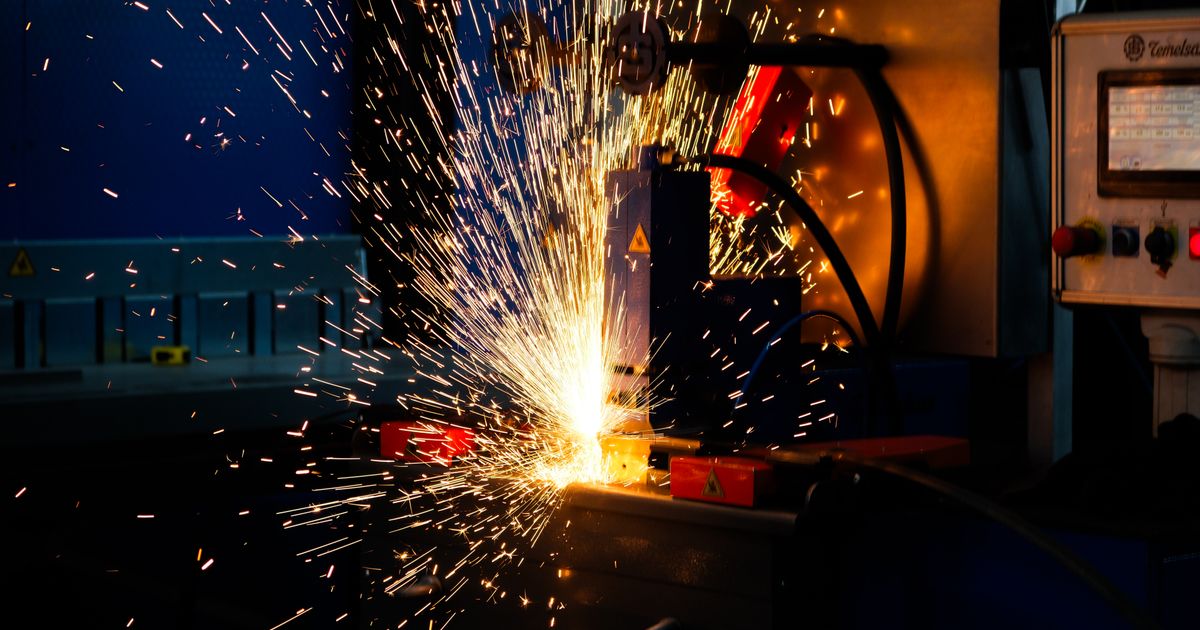
- Hot work. Welding, cutting, grinding, brazing, and torch work create sparks and heat, so a fire watch is required during the work and for a set period after it stops.
- A fire marshal order. An inspector can require a fire watch for other hazards, such as an overcrowded event, a damaged fire pump, or blocked exits, until the problem is corrected.
Verify the exact thresholds for your site. The specific hour limits and conditions come from the current California Fire Code and the standards it references, and your local Authority Having Jurisdiction (AHJ) can set stricter rules. Always confirm the trigger and timing with your fire marshal before you rely on a number.
Quick reference: when a fire watch applies
This at-a-glance table summarizes the most common triggers. Treat the timing as typical rather than exact, and confirm the numbers that apply to your property with your local fire authority.
| Trigger | Typical requirement |
|---|---|
| Sprinkler system out of service | Fire watch once the impairment exceeds the code's set hours within 24 |
| Fire alarm or detection out of service | Notify occupants; evacuate or post an approved fire watch beyond a short window |
| Hot work (welding, cutting, grinding) | Watch during the work and for a set period after it stops |
| Fire marshal order | As directed for the specific hazard until it is corrected |
Which codes set California fire watch rules?
California adopts and amends national model codes into its own state code. The California Office of the State Fire Marshal (OSFM) develops the California Fire Code (part of Title 24), which local departments enforce. That code, in turn, references standards published by the National Fire Protection Association (NFPA), including guidance on impaired fire-protection systems and hot work. Because California layers state amendments on top of these national standards, and cities can add their own rules, the safest approach is always to confirm the current requirement with your local fire authority.
How often must a fire watch patrol?
There is no single number that fits every property. Patrol frequency is set by your fire marshal based on the building, its occupancy, and the reason for the watch. In practice, many California sites are told to patrol at intervals in the range of every 15 to 60 minutes, with higher-risk or higher-occupancy buildings on the shorter end. During hot work, the watcher stays present the entire time and continues monitoring the area for a period after the work stops, since sparks can smolder before igniting.
The key point: the interval is a compliance requirement, not a suggestion. Guards must walk the assigned routes on time, every time, and record it. That is exactly what our officers do on every fire watch security post.
Fire watch log requirements
Documentation is where many fire watches fall apart, and it is the first thing an inspector or insurer asks for. A compliant fire watch log should capture, at minimum:
- The date and the guard's name for each shift
- The time of every patrol and the routes or areas covered
- The condition observed on each round, and any hazards found
- Any actions taken, including calls to 911 or the fire department
- The start and end of the impairment or hot work
Logs must be kept available for the fire department and are typically retained for your records and insurer. Time-stamped, legible logs are what turn a fire watch from a liability into proof that you stayed compliant.
Who can perform a fire watch in California?
A fire watch must be conducted by a responsible, trained person who has no other duties while on watch, so they can focus entirely on patrolling and responding. Many California jurisdictions and property insurers expect the watch to be performed by a licensed security guard rather than an untrained staff member. In California, security guards are licensed through the Bureau of Security and Investigative Services (BSIS), and using a BSIS-licensed officer helps satisfy the AHJ, keeps your documentation clean, and reduces your liability if anything goes wrong. The watcher should also know the location of exits, pull stations, and extinguishers, and be ready to call 911 immediately.
What happens if you skip a required fire watch?
Operating without a required fire watch can lead to code violations, fines, a stop-work or vacate order, and denied insurance claims if a fire occurs. More importantly, the fire watch exists to protect the people inside your building during a window when the normal safety systems cannot. Posting a qualified guard quickly is the fastest way to stay open, stay legal, and stay safe.
Common places a fire watch is required
Fire watch requirements touch almost every kind of property in California, because every building relies on the same fire-protection systems. Situations where a fire watch is commonly ordered include:
- Hospitals and senior living where occupants cannot easily evacuate and a system outage carries extra risk.
- High-rise and commercial buildings during sprinkler or standpipe work.
- Hotels and apartments when a fire alarm panel is taken offline for repair or upgrade.
- Warehouses and industrial sites during welding, cutting, or other hot work.
- Construction and renovation projects where systems are not yet active or are temporarily disabled.
- Events and assembly occupancies where an inspector flags crowding or a fire-safety concern.
In each case the reason is the same: a temporary gap in protection needs a trained person watching until it is closed.
Hot work fire watch: the extra rules
Hot work, welding, cutting, grinding, brazing, and torch work, has its own layer of requirements because it actively creates ignition sources. Beyond posting a watcher, best practice and referenced standards call for a hot work permit, clearing or protecting combustibles around the work area, keeping a fire extinguisher immediately available, and continuing the watch for a set period after the work stops, since sparks can smolder unseen before igniting. The person on hot work fire watch must stay focused on the work zone the entire time and be ready to act instantly. Confirm the specific hot work rules with your local fire authority, as jurisdictions and insurers can require more.
How to set up a compliant fire watch
Getting a fire watch right is straightforward when you follow a clear sequence:
- Confirm the requirement with your fire marshal, including the patrol interval and any hot work conditions.
- Post a qualified guard promptly, ideally within the hour for an unexpected impairment.
- Walk the assigned routes on time and record every round in a legible, time-stamped log.
- Keep the log available for the fire department and your insurer.
- Continue until cleared, meaning the system is restored and tested or the hot work watch period has fully elapsed.
Fire watch documentation and record-keeping
Meeting fire watch requirements is only half the job; proving you met them is the other half. Your log is the official record that the watch was performed correctly, and it is the first thing an inspector or insurer will ask to see. Beyond the basics, strong record-keeping means logs are filled out in real time rather than reconstructed later, entries are legible and signed, and the records are stored somewhere they can be produced quickly on request. If your watch spans multiple shifts or several days, keep the logs together as one continuous record from the start of the impairment to the moment the system is restored and tested. Clean documentation turns a stressful inspection into a simple hand-off.
Fire watch and your insurance
Fire watch requirements are not only a code matter; they are often an insurance one too. Property insurers expect you to maintain protection while a fire system is impaired, and a documented, compliant fire watch is what shows you did. If a fire occurs during an impairment and you cannot demonstrate that a proper watch was in place, a claim can be reduced or denied. That makes the watch, and its paperwork, a direct protection for your coverage as well as your building. Check your policy for any specific requirements your insurer places on impairments, and make sure your fire watch meets them.
Who is responsible for posting a fire watch?
Responsibility usually falls on the property owner, manager, or the party performing the work that caused the impairment, such as a contractor doing hot work or a company servicing the sprinkler system. Whoever is responsible must ensure a qualified watch is in place, that it runs for the full required period, and that documentation is kept. Because the stakes include fines, liability, and insurance, it is worth confirming in writing who is arranging the watch on any project, so the requirement never falls through the cracks between an owner and a contractor.
Frequently asked questions about California fire watch requirements
When is a fire watch required in California?
How often does a fire watch guard have to patrol?
Do I need a licensed guard for a fire watch?
What has to go in a fire watch log?
How fast can a fire watch be set up?
Stay compliant with a licensed fire watch
Fire watch requirements in California come down to three things: post the watch when the code says to, patrol on the interval your fire marshal sets, and keep clean, time-stamped logs, all performed by a qualified person. CAL Security Group has helped Southern California property owners stay compliant since 1995 with BSIS-licensed, bonded, and insured officers and 24/7 dispatch. Call (502) 388-6790 for a free quote and same-day fire watch coverage, with no long-term contract required.
This guide is general information, not legal or code advice. Specific thresholds, intervals, and documentation rules are set by the current California Fire Code, referenced NFPA standards, and your local Authority Having Jurisdiction, and should be verified against those sources before you act.