
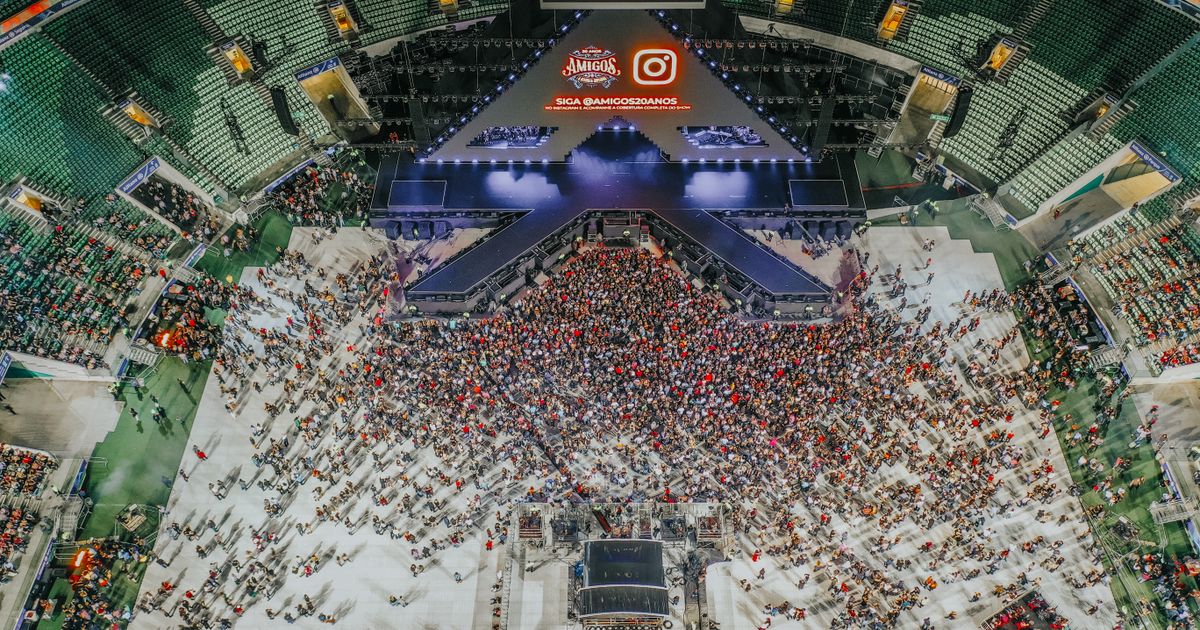
How many security guards for an event? A widely used starting point is one guard for every 50 to 100 guests, but that is only a baseline. The right number depends on whether alcohol is served, how big and open the venue is, whether you have VIPs or cash on site, and how long the event runs. Below is a simple way to estimate your event security guard ratio, the factors that push it up, and a worked example you can copy.
How many security guards for an event: the ratio explained
The "one guard per 50 to 100 guests" rule is a planning baseline, not a legal formula. A calm, seated, daytime event with no alcohol sits near the 1:100 end. A crowded, standing, late-night event with a bar moves toward 1:50 or higher. On top of guard coverage, many venues also assign trained crowd managers for life safety. National guidance from the National Fire Protection Association (NFPA) calls for trained crowd managers in assembly occupancies at a ratio of about one per 250 occupants, which is separate from, and in addition to, your security staffing. Always confirm crowd-manager and occupancy rules with your venue and local fire authority.
Quick guard-count reference by guest count
Use this as a fast starting estimate for a standard event, then adjust up for alcohol, VIPs, outdoor sites, and multiple entrances.
| Guests | Calm / seated | High-energy / alcohol |
|---|---|---|
| Up to 100 | 1–2 guards | 2–3 guards |
| 250 | 3–4 guards | 5–6 guards |
| 500 | 5–7 guards | 8–10 guards |
| 1,000 | 10–13 guards | 15–20 guards |
These are planning baselines, not a substitute for a post-by-post plan or your venue's occupancy limits.
Factors that raise the number of guards
Start from the baseline, then add guards for each of these:
- Alcohol. Bars and open bars raise the risk of intoxication and conflict, so events serving alcohol typically need more guards and dedicated bar coverage.
- Crowd type and energy. Standing concerts, festivals, and nightlife draw a different crowd than a seated banquet or conference.
- Venue size and layout. Multiple entrances, exits, stages, parking lots, and open perimeters each need coverage.
- VIPs and cash. Performers, executives, or on-site ticket and merchandise sales call for dedicated protection.
- Hours and shift changes. Long events need overlap so no post goes uncovered during breaks.
- Access control needs. Ticket scanning, ID checks, bag checks, and VIP areas all take staff.
Where guards are actually posted
Guard count is not just a headcount; it is about covering the right posts. A typical event assigns officers to:
- Entrances and exits for access control and bag or ID checks
- The main crowd or dance floor for a visible, roaming presence
- The bar and any alcohol service areas
- The stage, green room, and VIP sections
- Parking lots and the outer perimeter
- A supervisor coordinating the team and radio traffic
Mapping posts first, then counting the guards needed to staff them, produces a more accurate number than a ratio alone. Our event security team builds this plan with you, and for larger shows we scale up through concert and festival security.
A worked example
Say you are hosting an evening event for 600 guests, standing room, with an open bar and one performer.
- Baseline: 600 guests at 1:75 = 8 guards.
- Alcohol / open bar: add 2 guards for bar and floor coverage.
- Performer / VIP: add 1 guard for the stage and green room.
- Parking and perimeter: add 1 guard.
- Supervisor: add 1 to coordinate the team.
That works out to about 13 guards for the event. A quieter, seated version of the same 600-guest event with no alcohol might need closer to 7 or 8. This is exactly why a short planning call beats a one-size-fits-all number.
Not sure how many you need? Tell us your guest count, venue, and whether alcohol is served, and we'll recommend a staffing plan. Call (502) 388-6790 for a free event security quote.
Under-staffing is a false economy
It is tempting to trim the guard count to save money, but too few officers is the most expensive mistake you can make at an event. When posts go uncovered, entrances back up, conflicts escalate before anyone can respond, and a single serious incident can overshadow the whole event and expose you to liability. The goal is not the most guards possible; it is the right number, correctly placed, so every entrance, crowd area, and risk point is covered without gaps. A slightly leaner but well-organized team beats a larger, poorly deployed one, which is why mapping posts matters more than chasing a round number.
Typical staffing by event type
While every event is different, these rough starting points show how the guard count shifts with the type of gathering. Treat them as a baseline to refine, not a fixed rule.
| Event type | Typical starting ratio | What raises it |
|---|---|---|
| Corporate meeting or conference | 1 per 100 guests | VIPs, multiple rooms, valuables |
| Wedding or private party | 1 per 75–100 guests | Open bar, late hours, outdoor site |
| Nightlife or bar event | 1 per 50–75 guests | Alcohol, standing crowd, single exits |
| Concert or festival | 1 per 50 guests or fewer | Large crowd, stage, alcohol, parking |
Notice how alcohol and standing, high-energy crowds consistently push the number up, while seated, controlled events allow a leaner team.
Beyond guards: the rest of an event safety plan
Guard count is one piece of a complete plan. Larger events usually also need a supervisor to coordinate the team and radio traffic, trained crowd managers for life safety and evacuation, and clear coordination with the venue, medical staff, and local police. Access control, ticketing, and emergency egress all shape how many people you need and where they stand. Thinking about the whole picture, not just a headcount, is what turns a guard list into a plan that actually keeps your event safe and running smoothly.
Questions to answer before you book
To get an accurate staffing recommendation quickly, have these details ready:
- Expected attendance and whether the crowd is seated or standing.
- Whether alcohol is served, and if there is an open bar.
- The venue layout, including entrances, exits, stages, and parking.
- Any VIPs, performers, or cash handling on site.
- Start and end times, plus setup and teardown.
- Any permit or venue requirements for security or crowd managers.
With those answers, a good provider can map the posts and give you a firm guard count and quote.
How to calculate your event guard count, step by step
You can arrive at a solid number in five steps:
- Start with attendance. Divide your expected guest count by your baseline ratio (1:100 for calm events, 1:50 for high-energy ones).
- Add for alcohol. Include extra guards for bars and alcohol-service areas.
- Cover the map. Add officers for each entrance, exit, stage, VIP area, and parking or perimeter zone.
- Add VIP and cash protection. Include dedicated coverage for performers, executives, and on-site sales.
- Add a supervisor. For larger teams, include one person to coordinate and manage radios.
Add those together and you have a realistic count. Then sanity-check it against the venue's occupancy and any permit conditions before you finalize.
Indoor vs. outdoor events
Where your event takes place changes the math. Indoor venues have defined walls, fixed entrances, and clear capacity limits, which can make coverage more predictable and sometimes leaner. Outdoor events, festivals, fairs, and open-air concerts, have longer perimeters, multiple or informal access points, parking areas, and weather to manage, all of which usually raise the guard count. An open site is simply harder to control than a sealed room, so build in extra coverage for the perimeter and access points when your event is outdoors.
Special situations that change staffing
Some events carry factors that warrant a closer look at your numbers. Higher-profile or controversial events, gatherings with minors, ticketed events with resale demand, or any event that could draw protest or unusual attention may call for additional guards, specialized planning, and closer coordination with local authorities. When in doubt, describe the situation to your provider; an experienced team can flag risks you may not have considered and adjust the plan so you are neither under-protected nor overspending.
Frequently asked questions about event security staffing
How many security guards do I need for an event?
Does serving alcohol change how many guards I need?
Are crowd managers the same as security guards?
How many guards for a 100-person event?
Do you provide security for large concerts and festivals?
Get an event staffing plan and free quote
How many security guards for an event comes down to your guest count, then adjustments for alcohol, venue, VIPs, and hours. Rather than guess, let a local team build the post plan with you. CAL Security Group has staffed Southern California events since 1995 with licensed, background-checked officers and 24/7 support. Call (502) 388-6790 for a free event security quote, with no long-term contract required.
Ratios above are planning guidelines, not legal requirements. Occupancy limits, crowd-manager rules, and any permit conditions are set by your venue and local authorities; verify them for your event.